UK Mobile Broadband Comparisons That Cut Through The Noise
Trying to find the right mobile broadband plan can feel a bit like wading through treacle. With so many providers shouting about their deals, it’s easy to get overwhelmed. But really, it all comes down to a simple trade-off: balancing network coverage, real-world speed, and contract flexibility with what you’re willing to spend. A plan that’s perfect for someone who just checks their emails will be a nightmare for a family of Netflix bingers, which is why a proper side-by-side comparison is so important.
This guide is designed to help you do just that, so you can find a plan that actually fits your life.
Choosing The Right Mobile Broadband Plan In The UK

When you're looking at the UK's mobile broadband market, you've got to look past the flashy headline price. With a sea of providers to choose from, understanding what actually makes a difference to your day-to-day internet use is key. This is particularly true here in the UK, where being connected on the move is just a normal part of life.
The market is absolutely packed. At the beginning of 2025, there were 88.4 million mobile connections in the UK – that's a staggering 127% of the total population. This tells you a lot of us, especially small business owners, are juggling multiple connections for home and work. What’s more, 99.4% of these connections are now broadband (3G, 4G, or 5G), so the demand for fast, reliable data is huge.
Key Evaluation Criteria
To properly compare mobile broadband deals, you need a solid framework. We stick to a consistent set of criteria for every provider we look at, making sure our recommendations are based on what genuinely matters in the real world. This helps you see beyond the marketing fluff and focus on what you'll actually get.
For small businesses that depend on mobile internet, getting the right plan is only half the battle. You also need the right software to make the most of it, and you can get some great ideas from our guide to the 17 essential business tools small companies need in 2025.
Before we dive in, let’s look at the core factors we use for our analysis. This table will give you a clear idea of what to keep in mind as you read through the comparisons.
Quick Guide To Mobile Broadband Evaluation Criteria
Use this table to quickly understand the key factors for comparing mobile broadband plans, helping you identify what matters most for your situation.
Evaluation Criterion | Why It Matters For Your Decision | Key Questions To Ask Yourself |
Network Coverage | A super-fast plan is completely useless if you can't get a decent signal at home, in the office, or wherever you travel most. | Does the provider have strong 4G and 5G coverage in the places I use my internet the most? |
Real-World Speeds | Advertised speeds are nearly always "up to" figures. What you actually experience day-to-day can be very different. | Are the typical speeds fast enough for my streaming, gaming, or work-from-home video calls? |
Data Allowances | Going over your data limit can get expensive fast. Even "unlimited" plans often have fair use policies hidden in the small print. | How much data do I actually get through in a typical month? |
Contract Flexibility | A long-term contract usually means a lower monthly price, but a 30-day rolling plan gives you the freedom to change or cancel. | Do I just need something for the short term, or am I happy to commit to a 24-month deal for a better price? |
Thinking about these four points will steer you toward a plan that doesn't just look good on paper, but actually works for you. Keep them in mind as we break down what each of the major UK providers has to offer.
What Do You Actually Need From Your Mobile Broadband?
Before you even start looking at what providers are offering, the first step is to take a good, hard look at your own internet habits. It's easy to be tempted by a headline price on a cheap, low-data plan, but that "bargain" will quickly turn into a headache for a house full of Netflix bingers and online gamers.
To avoid that trap, you need a clear picture of your personal usage. This is about making sure you’re comparing plans based on what you really need, not just the flashy numbers they advertise. Think of it as creating a user profile for your household.
Taking Stock of Your Online Activities
So, let's get specific. What does a typical month of internet use look like for you? Honestly mapping this out is the key to figuring out how much data you'll get through.
Streaming Video: Are you a regular on Netflix, BBC iPlayer, or YouTube? Streaming in standard definition (SD) will use about 1GB of data an hour. But if you’re watching in High Definition (HD), that shoots up to 3GB per hour, and for 4K Ultra HD, you could be looking at a massive 7GB an hour.
Video Calls: For anyone working from home, video conferencing is a big one. Platforms like Zoom or Microsoft Teams are surprisingly data-hungry. A single one-hour group call can easily burn through over 1.5GB of data, which adds up incredibly fast over a full working week.
Online Gaming: The actual gameplay doesn't use as much data as you might think. The real data drain comes from downloading new games and the massive updates that follow, which can swallow tens or even hundreds of gigabytes in one go.
Web Browsing & Social Media: Just scrolling through websites and social feeds is fairly light on data, typically using around 150MB per hour. That said, if your feeds are full of auto-playing videos, the numbers will creep up.
Expert Tip: It's the "invisible" data usage that often catches people out. Things like automatic software updates for your computer and phone, cloud backups for your photos, and even smart home gadgets are all constantly sipping away at your data allowance in the background.
Finally, consider how many people and gadgets will be using the connection at the same time. A single person with a laptop has completely different needs from a family with smartphones, tablets, a smart TV, and a couple of games consoles all fighting for a slice of the bandwidth.
Getting this self-assessment right is genuinely the most crucial part of the process. It's what ensures you end up with a mobile broadband plan that truly fits your digital life, rather than one that constantly leaves you buffering.
A Head-to-Head Look at the UK's Main Mobile Broadband Providers
When you're trying to compare mobile broadband deals, it's easy to get lost in a sea of advertised speeds and flashy offers. But to find what really works for you, you need to dig a little deeper. The UK scene is really dominated by four big names: EE, O2, Vodafone, and Three. Each has its own distinct personality, with different strengths and quirks.
Let’s get under the bonnet and see what they're actually offering. We'll move past the marketing fluff to look at their real-world 4G and 5G performance, untangle their data caps and fair use policies, and weigh up things like customer support and whether those bundled extras are genuinely useful.
Provider Performance And Feature Showdown
When you lay it all out, the differences between providers become much clearer. It's not just about who's fastest, but who offers the right balance of speed, data, and price for your specific needs. Here's a snapshot of how the big four stack up.
Provider | Average Speed (Mbps) | Data Options | Typical Monthly Cost | Key Differentiator |
Three | 70.8 Mbps | Unlimited and capped plans | £20 - £30 | Unbeatable average speeds make it a powerhouse for heavy data users. |
EE | 45.6 Mbps | Unlimited and capped plans | £25 - £45 | Extensive UK-wide coverage and premium entertainment bundles. |
Vodafone | 34 Mbps | Unlimited and capped plans | £20 - £35 | Strong on flexible plans and often includes decent perks like a free trial of Apple TV+. |
O2 | 23.1 Mbps | Unlimited and capped plans | £25 - £40 | Focuses on customer perks through its O2 Priority rewards programme. |
As you can see, the 'best' provider isn't a one-size-fits-all answer. If your life revolves around 4K streaming and huge downloads, Three’s raw speed is hard to ignore. But if you prioritise reliable signal in more places and like having entertainment included, EE might be a better fit, even if its average speeds are lower.
Who's Fastest vs. Who's Biggest?
It's a common assumption that the provider with the most customers must have the best network. But the numbers tell a different story. O2 currently has the largest slice of the market at 27.4%, with EE just behind at 24.9%. Yet, it's Three, with a much smaller share of 12.1%, that absolutely smokes the competition on speed.
Three clocks in with an average speed of a blistering 70.8 Mbps. That leaves EE's 45.6 Mbps and Vodafone's 34 Mbps in the dust. This makes Three a seriously tempting option if your daily routine involves data-hungry activities like online gaming, downloading massive files, or streaming in ultra-high definition.
"A provider's average speed is a powerful metric, but it reflects performance across their entire network. Your personal experience will always depend on the signal strength and network congestion in your specific location, which is why a provider's coverage map is your best friend."
Coverage: The Bedrock of Good Service
Let's be honest: blistering speed means nothing if you can't get a signal. This is where providers with vast, established networks like EE really start to justify their market position. Even if they aren't the fastest on paper, their reliable coverage is often what wins people over.
Looking at a coverage map really brings these differences to life.

This image gives you a quick overview of 4G population coverage across the UK. It shows that while speeds vary, the top providers all offer very good and broadly similar coverage, so most people can expect a solid connection.
The Little Extras That Make a Big Difference
Sometimes, the deciding factor isn't speed or coverage, but the small perks that make a plan a better fit for your life. These features can add a surprising amount of value and often cater to very specific needs.
Data Rollover: Some networks, like Sky Mobile (which uses O2's network), let you bank your unused data for the next month. This is a brilliant feature if your usage goes up and down.
Entertainment Bundles: Networks love to team up with streaming services. EE, for example, has offered deals that include a Netflix or Apple Music subscription, which is a great money-saver if you’re already paying for those services.
Flexible Contracts: While the big players often try to lock you into a 24-month contract, smaller providers like giffgaff (on O2) and Smarty (on Three) thrive on flexible 30-day plans. They're perfect if you hate long-term commitments or just need internet for a short period.
Finding the right provider is all about weighing up these different elements and seeing how they stack up against your budget. For more tips on snagging a genuinely good deal, have a look at our expert money-saving guide on how to find the best broadband deals. It’ll help you spot what truly matters.
Analysing Network Coverage and Real-World Reliability

Let's be honest: a plan that shouts about having the fastest speeds in the UK is completely useless if you can't get a decent signal where you actually need it. When you're comparing mobile broadband options, network coverage and real-world reliability are the absolute bedrock of a good experience. Often, they matter far more than the maximum speeds advertised on a billboard.
The quality of your connection can swing wildly depending on where you are. A bustling city centre, a quiet suburb, or a more remote rural spot will all offer a different experience. This is where the marketing promises of providers bump up against the reality of day-to-day use.
Understanding the Urban and Rural Divide
Here in the UK, network performance is a postcode lottery. It’s a critical factor for anyone relying on mobile broadband. While providers are constantly working on their infrastructure, there's still a noticeable gap between urban and rural connectivity, especially when it comes to the latest 5G tech.
The numbers back this up. Recent analysis shows that while 4G availability has climbed to an impressive 95.7% across the UK, there's a huge difference in 5G deployment. In urban areas, 42% of sites are 5G-ready, but that figure plummets to just 16% in rural locations. While ongoing investment has pushed overall 5G availability to 36.25%, it just goes to show how vital it is to check coverage for your specific postcodes. You can dig into these trends in more detail in Ookla's latest report on UK telecoms.
What this really means is that while you can get a 4G connection almost anywhere, banking on a 5G mobile broadband plan for your home internet in the countryside might be a bit of a gamble.
Key Insight: A provider's official coverage map is your starting point, not the final word. These maps often show outdoor coverage, which can be much stronger than the signal you'll actually get inside your home or office, where building materials can interfere.
How to Properly Vet Your Connection
Just typing your postcode into a provider's online checker and getting a "Yes" for coverage isn't good enough. To avoid the frustration of a flaky connection, you need to dig a little deeper.
Here’s a practical way to check reliability before you sign on the dotted line:
Check All Key Locations: Don’t just check your home. If you plan to use your mobile broadband for work on the go or at a different site, check those postcodes too.
Look for Signal Strength Indicators: Many coverage maps use a colour-coded system showing 'Excellent', 'Good', or 'Fair' signal for both indoor and outdoor spots. You should always be aiming for a provider that promises at least a 'Good' indoor signal.
Use Independent Testers: Websites like Ofcom provide impartial coverage data and tools that pull in information from all the major networks, giving you a much less biased view.
The SIM Card Test: This is the gold standard. Order a Pay As You Go SIM from the provider you're considering. For just a few quid, you can pop it into an unlocked phone and test the signal strength and speed in every room of your house at different times of the day. It’s the ultimate real-world test.
Taking these extra steps is the best way to make sure the plan you choose delivers a consistent and dependable connection, turning a good deal on paper into a genuinely great service in practice.
Decoding Contracts and Uncovering Hidden Costs
That tempting headline price on a mobile broadband deal? It can sometimes hide a maze of contractual traps and sneaky extra charges. To really know what you're signing up for, you have to dig deeper than the advertised monthly fee. The total cost you’ll actually pay often tells a very different story.
The first thing to get your head around is the contract length. Providers usually have a few options on the table, and each one comes with its own set of pros and cons designed for different people and situations.
Navigating Contract Lengths
It all comes down to a trade-off: how much commitment are you willing to stomach for a lower price?
24-Month Contracts: These are the industry standard and almost always boast the lowest monthly payments. The catch? You're locked in for a full two years. If your circumstances change—say, you move house or find a better deal—the early termination fees can be eye-watering.
12-Month Contracts: This is a solid middle-ground. You get a bit more flexibility than a two-year commitment, but the monthly cost is usually a little higher. It’s a great choice if you want a reliable service without feeling completely tied down.
1-Month Rolling Plans: For ultimate freedom, nothing beats a rolling plan. You can walk away with just 30 days' notice, making them perfect for short-term lets, students, or if you just want to test-drive a network before signing a longer contract. Be prepared to pay a premium for this flexibility, as the monthly cost is noticeably higher.
A 24-month contract might look like the best value on paper, but if you have to cancel halfway through, the exit fees could easily erase all the money you saved. Always do the maths on the total cost over the full term.
Exposing the Hidden Fees
The price you see on the advert is rarely the final price you pay. Providers have become experts at weaving in extra costs that can inflate your bill if you're not paying close attention.
Keep an eye out for these common charges:
Mid-Contract Price Hikes: Buried in the small print, many providers give themselves the right to raise your monthly fee, often tying it to inflation plus an extra few percent. This can add up to a significant, unplanned expense over the life of your contract.
Equipment Fees: The mobile broadband router is often "free," but some of the cheaper plans might sting you with an upfront cost for the hardware.
Exceeding Data Limits: If you're not on an unlimited data plan, going over your allowance can get incredibly expensive. Providers often charge a steep price per extra gigabyte used.
Fair Usage Policies: Even "unlimited" plans aren't truly limitless. Breach a provider's fair use policy, and you could find your connection slowed to a crawl (throttled) or even face extra charges.
Keeping on top of these potential costs is just as vital as securing your devices. For a complete overview of online safety, you might be interested in our privacy expert's guide on how to choose antivirus software. The only way to be sure a deal is as good as it seems is to properly read the terms and conditions before you sign.
Making The Right Choice For Your Needs
We've covered the speeds, coverage, and costs, but the best mobile broadband deal really comes down to you. It’s all about matching a provider's strengths with what you actually do online every day. Let's cut through the noise and turn all that data into some straightforward, practical advice.
These recommendations are here to help you make a confident decision, whether you’re struggling with a weak signal out in the sticks or need beast-mode performance for gaming and 4K streaming in a packed city.
Best For Rural And Remote Users
When you live in the countryside, a reliable signal is far more important than headline-grabbing speeds. This is where EE really shines. Its commitment to widespread 4G coverage across the UK is second to none.
While other networks might boast faster 5G in urban hubs, EE’s focus on reaching those harder-to-connect postcodes makes it the most solid bet when a stable connection is your top priority.
Best For Heavy Data Users And Gamers
If your online world is filled with 4K movie nights, huge game downloads, and intense online multiplayer sessions, then you need all the speed you can get. In this category, Three is hard to beat.
Boasting the highest average speeds, its network is engineered to cope with serious data demands without faltering. For anyone who pushes their connection to its limits, Three is the clear winner.
Expert Insight: Don't get fixated on the "up to" speeds advertised. A provider's average real-world performance and coverage in your specific area are what truly matter. A slightly slower but rock-solid connection will always serve you better than one that's lightning-fast one minute and gone the next.
Best For Budget-Conscious Users
Getting a good deal doesn't mean you have to settle for a poor service. This is where providers like Smarty (which uses Three's network) and giffgaff (powered by O2) come in.
They offer some fantastic data deals on flexible, 30-day rolling plans. You get a reliable service without being locked into a lengthy, expensive contract. Finding a smart deal on your broadband can free up cash for other things. If you're looking for ways to boost your income, our quick-start guide for making money online fast has some great ideas.
Best For Flexibility And Travel
For students, digital nomads, or anyone who simply hates long-term contracts, flexibility is key. A one-month rolling plan is the perfect solution.
Providers like giffgaff, Smarty, and VOXI (which is Vodafone’s youth-focused brand) are the champions here. They give you the freedom to change, pause, or cancel your plan with just 30 days' notice, making them ideal for temporary living situations or for simply trying out a network before you decide to stick with it.
Your Mobile Broadband Questions, Answered
Choosing the right mobile broadband plan can feel like a big decision, and it's natural to have a few final questions before you commit. Let's walk through some of the most common ones I hear, so you can make a choice you feel good about.
Can Mobile Broadband Really Replace My Home Internet?
For a surprising number of people, yes, it absolutely can. A strong 4G or 5G mobile broadband connection is more than capable of handling the daily digital grind—from streaming Netflix in HD and hopping on video calls to even a bit of online gaming. If you're in an area with solid mobile coverage, you might be pleasantly surprised.
Where it gets tricky is with super-demanding households. If you've got multiple people streaming in 4K, downloading massive game files, and working from home all at once, a top-end fibre connection will likely offer more consistent, rock-solid performance. It all comes down to honestly assessing your own daily usage.
One thing to watch out for is the "fair usage policy." Some providers advertise unlimited data, but they can throttle your speeds after you hit a certain monthly cap. Always read the small print before you cut the cord on your fixed-line broadband.
What Sort of Equipment Do I Need?
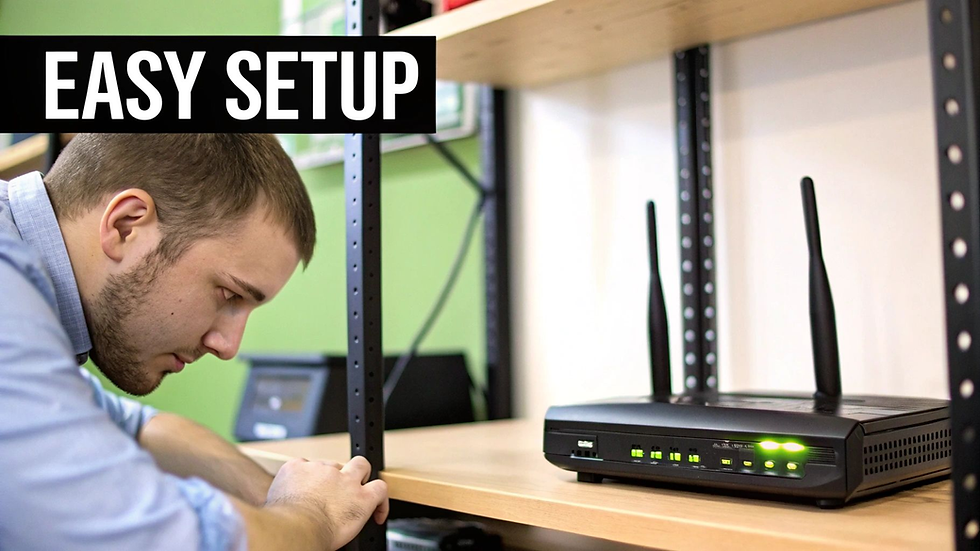
Getting set up is usually a doddle. You’ll just need a mobile broadband router (sometimes called a MiFi device) or a simple dongle that plugs into a USB port.
Providers almost always bundle one of these with your contract, either for free or for a small fee upfront. These devices work by taking a SIM card, just like a mobile phone, and then creating a Wi-Fi network for your laptop, tablet, and other gadgets to connect to. It’s typically a plug-and-play setup, so you can be online in minutes.
Is 5G Genuinely Worth the Extra Money?
This really depends on what you do online. 5G is a massive step up in speed and responsiveness (latency), which is a huge deal for serious online gamers or anyone who needs to download huge files in a flash. If you live in a 5G area and demand the absolute best performance, then yes, the extra cost can be well worth it.
However, for everyday browsing, sending emails, and streaming in standard definition, a good 4G connection is perfectly fine and will be easier on your wallet. Speaking of being prepared, it's also wise to have the right protection when you travel. You can check out our guide to the 11 best travel insurance plans rated by UK experts for that extra peace of mind.
At My Money Mentor Plus, we provide clear, actionable advice to help you navigate financial and tech decisions with confidence. Visit us at https://www.mymoneymentorplus.com to learn more.

Comments